
Hydration—or the body’s water balance—does not depend solely on the amount of water consumed. Actual hydration depends on how well the body can transport water into cells, retain it there, and utilize it. At the heart of this process are electrolytes—minerals such as sodium, potassium, and magnesium—which regulate the movement of fluid in and out of cells.
Body Hydration and Fluid Balance: Why Minerals Are Essential
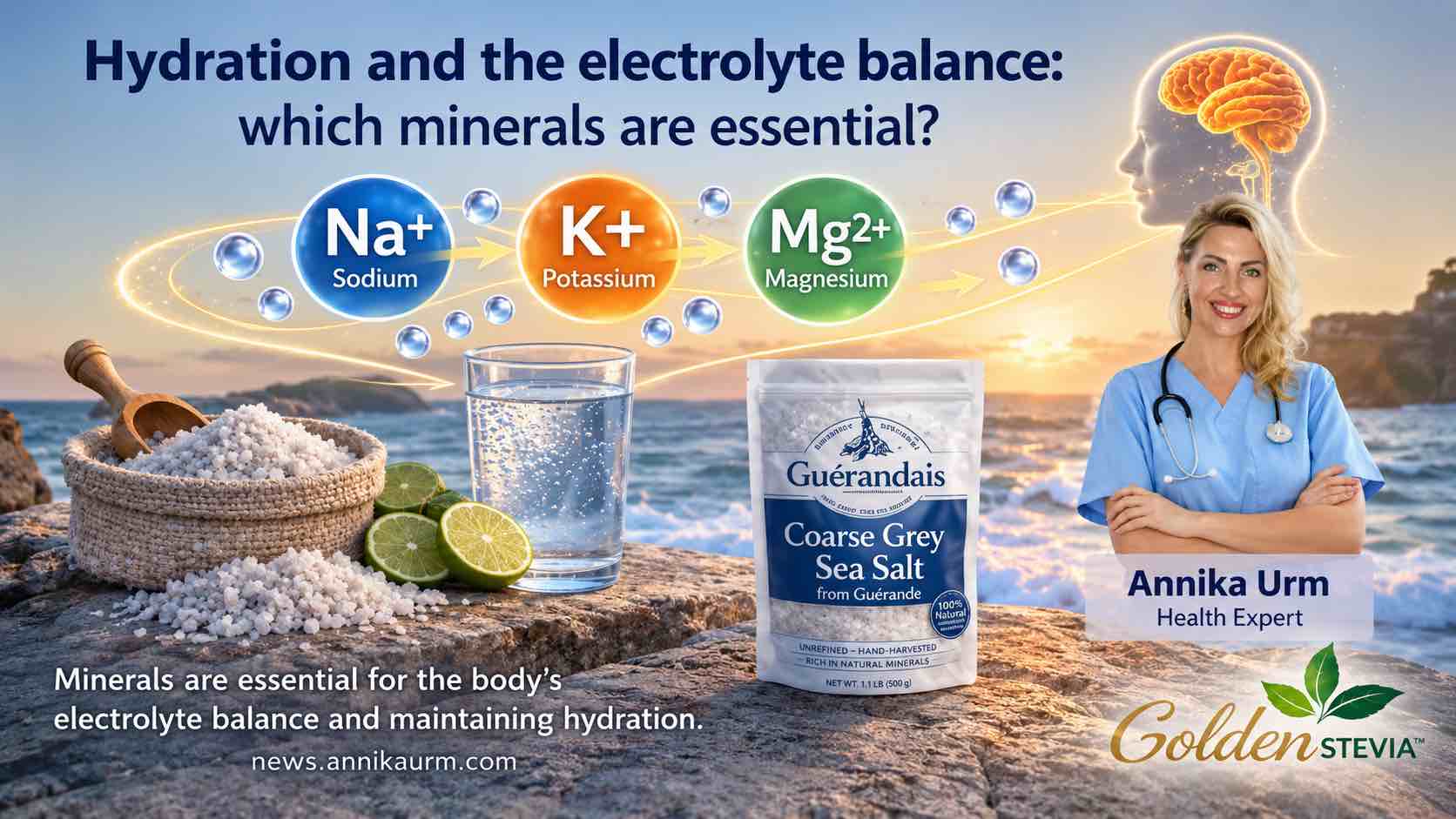
The human body is not simply composed of water, but of a biological fluid enriched with electrolytes—that is, plasma. Minerals determine how fluids behave in cells and tissues and whether they remain where the body needs them.
When the mineral balance is in order, water moves into the cells and tissues and remains there. If there is a mineral deficiency, a large portion of the water consumed may be rapidly excreted from the body, and a person may feel dehydrated even when drinking plenty of fluids
Why Are Electrolyte-Containing Fluids Essential for the Body?
Water with electrolytes isn’t just a “drink”— it’s the body’s working fluid. Without sufficient fluids, the following do not function normally:
- blood circulation (transport of oxygen and nutrients)
- cellular energy production (mitochondria require the right ionic environment and water)
- nervous system (impulses travel via electrolytes)
- muscle function (including the heart)
- kidneys and detoxification (removal of waste products through urine)
- digestion (stomach acid, enzymes, bile, intestinal motility)
- body temperature regulation (sweating and heat transfer)
Most importantly: water must reach the right places—inside the cells, around the cells, and in the blood—not just “be present in the body.”
What is hydration, exactly?
Hydration isn’t just about drinking water. Hydration refers to the balance of water and electrolytes in the body—that is, how well water reaches the cells, remains there, and participates in metabolic processes.
Why doesn’t plain water alone ensure adequate hydration?
Simply drinking large amounts of plain water may not improve the body’s hydration if mineral levels are low. If water is consumed without electrolytes, the concentration of electrolytes in the blood may become diluted, and the body must excrete the excess fluid more quickly to restore balance.
As a result, this may:
- reduce fluid retention in tissues
- disrupt nerve and muscle function
- impair concentration and energy levels.
Proper hydration occurs when water and minerals work together—that’s when the water you drink becomes truly “usable” by the body, rather than simply being excreted quickly.
How Water Moves in and Out of Cells
Basic rule: Water always flows toward areas with a higher concentration of minerals.
- If there are more minerals (especially potassium) in the cell → water moves into the cell
- If there are more minerals (especially sodium) around the cell → water moves out of the cell
- When minerals are in balance → water moves in both directions and the cell remains stable
- When there are sufficient electrolytes in the blood and tissues, water is better retained where the body needs it.
- If electrolyte levels are low and you drink a lot of plain water, your blood becomes “diluted” and your body begins to excrete the excess water.
A simple rule:
“Water follows minerals—wherever the electrolytes go, the fluid follows.”
Major Electrolytes and Their Role in Fluid Balance
Sodium (Na) – the primary extracellular electrolyte, which helps maintain fluid balance in the blood and tissues and plays a role in determining how well the body retains water.
Potassium (K) – the primary intracellular electrolyte, which helps retain fluid inside cells and supports the functioning of the heart, muscles, and nervous system.
Magnesium (Mg) – supports sodium and potassium balance, plays a role in energy production, and helps cells use electrolytes effectively.
When the sodium-potassium balance is correct, water can move into cells, remain there, and exit when necessary. If there are few electrolytes and you drink only plain water, the fluid will not be retained in the cells, and the body may quickly excrete it, causing a feeling of dehydration.
Functional Hydration
Functional hydration refers to an approach in which the body is provided with water along with minerals that enable the fluid to function effectively within the body. This approach supports:
Mineral-rich sea salt as a natural source of electrolytes
In addition to sodium, natural, unrefined sea salt contains other minerals that support the physiological mechanisms of fluid balance. Traditionally harvested sea salts, such as Guérande sea salt, naturally contain 12 essential minerals and more than 60 trace minerals derived from seawater and the mineral-rich soil of the salt flats.
This mineral composition helps support:
• fluid movement between cells and tissues
• nerve and muscle function
• digestion and energy levels
• replenishment of electrolytes lost through sweating
The Effects of Hydration on Digestion and Intestinal Health
Adequate fluid balance:
- helps maintain the intestinal mucosa
- supports digestion and nutrient absorption
- helps keep the microbiome in balance
- can improve energy levels.
If fluid intake is low, digestion slows down and constipation may occur. Drinking too much water can be just as harmful as drinking too little. Excessive water intake without minerals can dilute electrolytes and put a strain on the body’s regulatory systems.
To avoid that:
- drink as needed
- monitor the colour of your urine (light yellow is optimal)
- add electrolytes/minerals to the water as needed
- replenish minerals lost through sweating
The Benefits of Mineral Salts for the Body
Mineral salts, also known as electrolytes, regulate fluid balance, nervous system function, muscle function, and metabolism. A deficiency in minerals can lead to fatigue, muscle cramps, and difficulty concentrating.
Main Benefits of Mineral Salts
1. Adequate fluid balance
Minerals help retain water in cells and tissues, improving the body’s hydration and preventing excessive fluid loss.
2. Nerve and muscle function
Electrolytes play a role in the transmission of nerve impulses and muscle contraction, thereby supporting both physical performance and heart function.
3. Energy and Metabolism
Magnesium and potassium play a role in energy production, helping to reduce fatigue and improve endurance.
4. Support for Digestion and Cell Function
Adequate mineral levels support enzyme function, nutrient absorption, and cellular metabolism. Supports digestion and nutrient absorption
When are mineral salts especially necessary?
The need for minerals increases in situations where the body loses more fluid or electrolytes:
- hot weather and sweating
- doing sports
- stress and a hectic lifestyle
- Low-Carb/Keto Diet
- fasting
- dehydration
In such situations, mineral-rich water or natural sea salt can help restore electrolyte balance.
How should you consume mineral salt on a daily basis?
- drink mineral-rich water
- add a pinch of high-quality sea salt to your drinking water
- eat foods rich in minerals (vegetables, broths, seafood)
- use natural, unrefined sea salt in your daily diet
Practical tip: mineralized drinking water
One of the simplest ways to improve your body’s hydration is to drink water with a small amount of natural, mineral-rich sea salt added to it. Minerals help improve water absorption, stabilize fluid balance, and support daily energy levels.
Your daily routine remains simple and practical. A glass of water with a small pinch of Guérande sea salt gives the water a mineral composition that supports fluid balance and helps the water “work” more smoothly in the body. The same logic applies perfectly to the low-carb and keto lifestyles, where consistent intake of minerals through food, broth, and mineral-rich sea salt is part of a healthy daily routine.
How does mineral salt improve hydration and electrolyte balance before drinking water?
Placing mineral salt on the tongue has a real physiological effect based on the activation of the nervous system and the preparation of hydration mechanisms. When mineral-rich sea salt comes into contact with the mucous membrane of the tongue, the taste and osmotic receptors are immediately activated. This triggers the thirst mechanism, increases saliva production, and signals to the brain that electrolytes are on their way. The body then adjusts its fluid balance regulation, including the activity of antidiuretic hormone, which helps the body retain and distribute water more effectively.
This early signal makes drinking water more effective. Many people find that after placing a pinch of mineral salt on their tongue and then drinking water, the fluid is absorbed more deeply and hydration lasts longer. This involves the activation of the nervous system and hormonal regulation, followed by the actual absorption of minerals in the small intestine. Sodium and most trace elements are efficiently absorbed there, and magnesium absorption depends on its form, the condition of the gastrointestinal tract, and the sodium-potassium balance across cell membranes.
Salt placed on the tongue acts as a “priming” mechanism for hydration. It prepares the body to absorb fluids and distribute electrolytes, especially in situations where sodium loss is increased—such as during a low-carbohydrate diet, fasting, in a hot climate, in a sauna, or during intense exercise. When used correctly, it supports fluid retention in tissues and cells and helps stabilize blood pressure and nervous system function.
In practice, this involves a simple step: place a small amount of mineral-rich, unrefined sea salt on your tongue, let it dissolve for a few seconds, and then drink some water. This creates a regulatory precondition in the body, as a result of which water is not simply fluid in the stomach, but an active component of the body’s electrolyte balance.
This approach does not replace the normal absorption of minerals through the digestive tract or intravenous administration, but it complements daily hydration practices and supports the body’s natural fluid regulation mechanism.
In conclusion
Mineral salts are essential for maintaining the body’s fluid balance and ensuring normal cellular function. Adequate levels of sodium, potassium, and magnesium help improve hydration, support energy levels, and maintain the balance of the nervous and muscular systems.
Proper hydration means a balance of water and minerals. Electrolytes determine how well water enters cells, remains there, and is utilized in metabolism. Regular consumption of mineral-rich water and natural sea salt is one of the simplest ways to support the body’s fluid balance, energy levels, and the normal functioning of the neuromuscular system.
How to Support Daily Functional Hydration in Practice
Maintaining daily fluid balance doesn’t just mean drinking more water; it also means consistently consuming minerals along with fluids. One of the simplest and most traditional ways to do this is to use unrefined, mineral-rich sea salt, which helps enrich drinking water with natural electrolytes and supports the body’s fluid balance on a daily basis.
Why Guérande sea salt is the best choice here
Guérande sea salt is traditionally harvested by hand and is unrefined. This means that it is not simply “dry, pure NaCl,” but rather a salt with the profile of natural sea salt, which is used both in food and for mineralizing water.
GUÉRANDE MINERAL-RICH SEA SALT
Buy here: https://goldenstevia.com/product-category/guerande-sea-salt/
Sel de Guérande Gros Sel humide – Wet Coarse Sea Salt – 500 g
Mineral-rich sea salt for daily mineral replenishment and to support fluid balance.
Why choose Guérande sea salt?
• Unrefined natural sea salt – retains its natural mineral balance
• Contains natural minerals: sodium, potassium, magnesium
• Hand-harvested using traditional methods in the Guérande salt flats in France
• Suitable for mineralizing drinking water and providing daily mineral support
• Ideal for an active lifestyle, sports, and low-carb/keto diets
• Naturally moist (humid) – a hallmark of high-quality unrefined sea salt
Naturally mineral-rich “full-spectrum” sea salt
Guérande sea salt is not simply dried NaCl, but natural sea salt harvested by hand using traditional methods, whose mineral composition and natural moisture are preserved through natural evaporation caused by the sun and wind.
Ingredients: 100% natural, unrefined sea salt
Origin: Guérande, France
Three classic varieties are available in the Golden Stevia online store:
Guérande Gros Sel – coarse sea salt (for broth, cooking water, salt crust, water)
Guérande Sel Fin – fine sea salt (for everyday seasoning)
Guérande Fleur de Sel – finishing salt (for finishing dishes, gourmet flavour)
Author of article – Annika Urm
Annika Urm is a financial manager with a master’s degree, whose background is in accounting and management developed a deep understanding of the logic of balance and equilibrium. While studying medical nursing, she discovered that the human body functions on the same principle as a financial balance sheet: health does not depend on individual indicators, but rather on whether the system is in balance.
Annika focuses on the human body as a whole, in which fluid balance, electrolytes, acid-base balance, vitamins, minerals, hormones, and metabolism all play a key role.
Annika takes a systematic approach to health—looking at both test results and the person behind them, and always asking what the body is lacking, what it has in excess, and how to restore balance.
This approach is particularly evident in intensive care, where the patient is unable to speak and decisions are made based on physiology, test results, and clinical logic. For Annika, this is not an exceptional situation, but a reflection of the fact that everyone’s health ultimately boils down to the same principle—the body’s balance.
In restoring balance, he also considers the regulation of the nervous system and metabolism to be important, where sleep, physical activity (especially strength training), adherence to the circadian rhythm, and the alternation between cold and heat play a central role as physiological signals that teach the body to adapt and recover. In his view, these are not “lifestyle tips,” but rather part of the body’s biological regulation and mechanisms for maintaining health.
In addition to nursing, Annika explores the ketogenic diet as one possible tool for supporting metabolic balance, but her primary interest and passion have always been the same: human health and the body’s ability to heal itself when that balance is in place.
For more information about Annika Urmi, click here:
AU News today https://news.annikaurm.com/
Annika Urm https://annikaurm.com/
Annika Urm – Your Guide to a Healthy Lifestyle
Annika is the creator of Golden Stevia recipes, cookbooks, and a nutrition consultant specializing in keto and low-carb diets, with a focus on low-carb, keto, and diabetes-friendly nutrition. Her approach combines science-based nutrition, practical living, and natural balance
Read more:


